Sunday, September 25, 2016

Electronic Devices and Technology- Impact on Children

These days it’s becoming more and more normal to see children as young as a year old using either a smart phone or iPad to watch movies on Netflix or download games from the app store. This generation is tech-savvy and uses technology and various electronic devices (smart phones, iPads, mac books) for many different purposes, such as to update and check social media sites, or to research something on good ol’ Google. Unfortunately the use of technology in children commonly results in less physical activity, social interaction and interacting with their environment.  

Why Limit Exposure to Technology?
·       It can interfere with sleep! It has been shown that electronic stimulation causes children to have trouble falling and staying asleep
·       It may disturb family and person-to-person interaction! Using electronics doesn’t require interaction with others. Screen time results in less interaction face-to-face.
·       It may cause short attention span! According to studies; too much screen time causes problems with attention.
·        It may interfere with schoolwork! Lower grades are more common in children who watch a lot of TV.
·       It may lead to less physical activity! The more screen time children have, the less physical activity they usually have.

How to Limit the Use of Technology

  • Set time limits to the amount of time spent on all forms of technology and electronic devices.
  • Plan fun technology-free activities for the entire family to enjoy (going to the park, fishing, hiking, camping).
  • Sign children up for after school activities such as robotics, sports, creative arts, sewing, dance, gymnastics, etc.           

Tuesday, August 30, 2016

Recess Snacking Ideas

Need some ideas on healthy snack options for your child at school? These snacks ideas are perfect for morning recess to keep your child energized and focused throughout the morning. 

1. Veggie and Favorite Dip
2. Hard Boiled Egg and Cherry Tomatoes
3. Yogurt and Fruit:  Pack a yogurt cup with a side of fruit, or use a little container and fill with yogurt and top with favorite fruit
4. Cheese and Fruit: Oranges, berries, grapes with sliced or string cheese are a perfect pair.
5. Cucumbers and cheese: fun to make little sandwiches or just eat side by side
6. Crispy Nuts or Seeds & Dried Fruit Trail Mix: pumpkin or sunflower seeds, almonds, cashews, dried apricots, mango, etc.
7. Crackers with Guacamole or Hummus: whole grain cracker with healthy topping!
8. Celery with Nut or seed butter: add raisins for “Ants on  a log”. Please avoid using Peanut butter due to student allergies 9. Olives and a Date: Olives are a great source of fat and dates are sweet and full of energy and minerals. 


Thursday, December 17, 2015

Hand-Foot-Mouth

Hand-Foot-Mouth

Hand-foot-and-mouth disease — It is going around!!! Read about prevention.

A mild, contagious viral infection common in young children — is characterized by sores in the mouth and a rash on the hands and feet. Hand-foot-and-mouth disease is most commonly caused by a coxsackievirus.

There's no specific treatment for hand-foot-and-mouth disease. You can reduce your child's risk of infection from hand-foot-and-mouth disease by practicing good hygiene and teaching your child how to keep clean.

Symptoms
                               
 Hand-foot-and-mouth disease may cause all of the following signs and symptoms or just some of them. They include:
·         Fever
·         Sore throat
·         Feeling of being unwell (malaise)
·         Painful, red, blister-like lesions on the tongue, gums and inside of the cheeks
·         A red rash, without itching but sometimes with blistering, on the palms, soles and sometimes the buttocks
·         Irritability in infants and toddlers
·         Loss of appetite
The usual period from initial infection to the onset of signs and symptoms (incubation period) is three to six days. A fever is often the first sign of hand-foot-and-mouth disease, followed by a sore throat and sometimes a poor appetite and malaise.
One or two days after the fever begins, painful sores may develop in the mouth or throat. A rash on the hands and feet and possibly on the buttocks can follow within one or two days.
Causes
The most common cause of hand-foot-and-mouth disease is infection with the coxsackievirus A16.
Oral ingestion is the main source of coxsackievirus infection and hand-foot-and-mouth disease. The illness spreads by person-to-person contact with an infected person's:
·         Nasal secretions or throat discharge
·         Saliva
·         Fluid from blisters
·         Stool
·         Respiratory droplets sprayed into the air after a cough or sneeze
Treatments and drugs
·         There's no specific treatment for hand-foot-and-mouth disease. Signs and symptoms of hand-foot-and-mouth disease usually clear up in seven to 10 days.
·         A topical oral anesthetic may help relieve the pain of mouth sores. Over-the-counter pain medications other than aspirin, such as acetaminophen (Tylenol, others) or ibuprofen (Advil, Motrin IB, others) may help relieve general discomfort.
Prevention
Certain precautions can help to reduce the risk of infection with hand-foot-and-mouth disease:
·         Wash hands carefully. Be sure to wash your hands frequently and thoroughly, especially after using the toilet or changing a diaper and before preparing food and eating. When soap and water aren't available, use hand wipes or gels treated with germ-killing alcohol.
·         Disinfect common areas. Get in the habit of cleaning high-traffic areas and surfaces first with soap and water, then with a diluted solution of chlorine bleach and water. Child care centers should follow a strict schedule of cleaning and disinfecting all common areas, including shared items such as toys, as the virus can live on these objects for days. Clean your baby's pacifiers often.
·         Teach good hygiene. Show your children how to practice good hygiene and how to keep themselves clean. Explain to them why it's best not to put their fingers, hands or any other objects in their mouths.
·         Isolate contagious people. Because hand-foot-and-mouth disease is highly contagious, people with the illness should limit their exposure to others while they have active signs and symptoms. Keep children with hand-foot-and-mouth disease out of child care or school until fever is gone and mouth sores have healed. If you have the illness, stay home from work.

Mayo Clinic

Wednesday, December 2, 2015

Hawaii DOE Wellness Guidelines

Did You Know....

That Hawaii DOE has established Wellness Guidelines for our schools to ensure that health, safety and well-being of our students are prioritized?  Full implementation of the policy was expected to be acheived in 2011. Ask you school about what they are doing to implement the Wellness Guidelines. Ask to join their Wellness Committee to help work on various health related initiatives in school.


Hawaii State Department of EducationWellness Guidelines 

Wellness Committee
CD1: The school has a designated committee or council that will regularly address school health issues.
CD2: The committee annually completes the School Health Index and utilizes the results and other data sources to identify priority areas and to monitor improvements in those areas.
CD3: Identified priority areas submitted in the Safety and Wellness Survey (SAWS).
CD4: Actions to address priority areas are reflected in the school Academic and Financial Plan.
CD5: The Committee shall ensure that the school provide families with information about community physical activity resources and is encouraged to work closely with community organizations and programs that help schools implement these Wellness Guidelines.

Nutrition Guidelines
NS1: All reimbursable meals and snacks meet Federal nutrient standards as required by the U.S. Department of Agriculture Child Nutrition Program regulations.
NS2: All foods and beverages sold or served to students at school or school sponsored events (vending, concession stands, a la carte, fundraisers, student stores, and school parties) comply with the current USDA Dietary Guidelines.
NS3: Nutrition information for products offered in snack bars, a la carte, vending, etc. is readily available near the point of purchase.
NS4: Food and beverage providers promote positive nutritional messages on school property.
NS5: Meals feature fresh and minimally processed fruits and vegetables from local sources to the greatest extent possible.

Health and Nutrition Education
NH1: All required health education classes include a focus on knowledge and skills that support healthy eating and are aligned with the Hawaii Content and Performance Standards for Health Education.
NH2: The school promotes the importance of students starting the day with a healthy breakfast, including participation in the School Breakfast Program.
NH3: The school promotes the importance of students eating a nutritious lunch & healthy snacks, including participation in the National School Lunch Program and After School Snack Program (if applicable).
NH4: All required health education classes have instructional periods totaling a minimum of 45 minutes per week for grades K-3, 55 minutes per week for grades 4-5, 107 minutes for elementary grade 6, and 200 minutes per week for secondary grades 6-12.
NH5: Nutrition education is integrated into other areas of the curriculum such as math, science, language arts, and social studies. 1

Physical Education and Activity
PA1: All required physical education classes are aligned with the Hawaii Content and Performance Standards for Physical Education.
PA2: Secondary school’s Physical Education department provides support for participation in physical activity outside of physical education class.
PA3: All students have at least 20 minutes a day of supervised recess, during which students are encouraged to participate in moderate to vigorous physical activity.
PA4: All required physical education classes have instructional periods totaling a minimum of 45 minutes per week for grades K-3, 55 minutes per week for grades 4-5, 107 minutes per week for elementary grade 6, and 200 minutes per week for secondary grades 6-12.
PA5: The school ensures that state-certified physical education instructors teach all physical education classes and have a student/teacher ratio similar to other classes.*
PA6: The school provides information to families to help them incorporate physical activity into students’ lives.
PA7: The school discourages extended periods (i.e., periods of two or more hours) of inactivity.
PA8: When mandatory school-wide testing makes it necessary for students to be inactive for extended periods of time, schools will give students periodic breaks to stand and be moderately active unless the testing protocol specifies otherwise.*
PA9: The school does not use or withhold physical activity as punishment.

Professional Development
PD1: All applicable role groups including the School Food Service staff are given the opportunity to receive professional development in Hawaii's Wellness Guidelines, health, nutrition, and physical education, and healthy school meals

* Guideline is conditional and not mandatory at this time.

Sunday, November 1, 2015

Asthma Attacks


Breathing is an action that we "normally" never have to think about, our body unconsciously does the job for us. As we breathe in through either our nose or mouth the air travels down our airways into our lungs where oxygen is exchanged for carbon dioxide. The carbon dioxide is exhaled and oxygen is picked up from the lungs and delivered to the body.


Asthma is a chronic lung disease that is characterized by inflammation of the airways, mucous production, and narrowing of the airways. This can cause wheezing, chest tightness, shortness of breath, and coughing. Coughing is usually worse at night and early morning. Approximately 1 to 2 out of every 10 kids have asthma. Things that cause asthma flare ups or attacks are called "triggers." Triggers vary from person to person but common triggers include: cigarette smoke, dust, mold, cold weather, being sick, stress, air pollutants, perfume, pollen, exercise, and pet dander.


The best way to avoid asthma attacks or flare ups is to avoid your child's known triggers. For example if you notice that when the vog from the Big Island passes through your child starts to wheeze and chest gets tight, that is an example of a trigger and you should have your child stay indoors to avoid that trigger. Not every kid's asthma is the same and what may work for one child may not work for another. There are multiple medicines utilized to manage asthma and to prevent flareups. Some kids only need to take medicine (rescue medicine such as albuterol puffer) when they feel their chest tightening or they start to wheeze. Other children may need to take daily medications (controller medications such as advair) to prevent asthma flareups from happening. If your child has asthma you should have an asthma plan created for your child by your health care provider. This plan allows you to identify triggers and symptoms of your child's asthma and what steps to take to alleviate them. The goal with asthma is always the same no matter the medication or action plan, to prevent flareups. 

Asthma at school is tough topic because a lot of kids only need to take their rescue medicines a few times a year. Many parents don't see the need to either let the school know their child has asthma or provide the school with the appropriate medications because it happens so seldom. We run into problems when children come to the health room complaining of chest tightness and wheezing but no rescue medications are stored on campus. Not many things are scarier not only to the child but to staff as well, than a child who is struggling to breathe. We try to identify all those who have asthma to create an action plan in the event that your child comes to the health room with these symptoms. By having an action plan in place, our staff is better prepared to keep your child safe in the event of an asthma attack. 


ACTIVITY

To simulate the narrowing of the airways that occurs during an asthma attack we will attempt to breathe normally using various apparatuses. You will need a snorkel, a regular straw, and a coffee stirrer. To begin make sure you are seated and have adult supervision. Next take a few nice deep breaths. Then grab the snorkel and only using the snorkel take deep breaths, trying to breathe normally. After 5 to 10 breaths through the snorkel, relax and catch your breath and when ready do the same with the straw and lastly the coffee stirrer. You should notice the difficulty increase as the diameter of the apparatuses get smaller. This is what asthmatics experience during an attack and if rescue medications aren't administered in a timely manner they could go into respiratory distress.

GAMES click on links for educational asthma games
Quest for the code

Lungtropolis


Friday, October 2, 2015

Flu Season and Flu Vaccination

Fight the Flu: It starts with you!
 
Flu season is coming up, so let’s protect ourselves! Department of Health offers the Stop Flu at School program for all of Kauai's schools, where your child can be vaccinated against the Flu at no cost. Please vaccinate your child at your pediatricians office if you are not signed up at school!

A common question I hear is, "Every time my child gets the flu shot, they still just get sick anyway. So why even get the flu shot for my child?" I want to take some time to review what the flu vaccination is, as well as differentiate between the flu and the common cold.

The Flu Vaccine  The flu vaccine protects against four of the most common strains of the flu for specific year. A common misconception is that if your child gets the flu vaccine, he/she will not get sick at all. However, it is still possible for your child to get the flu caused by a less common virus that was not included in the vaccine. They may also catch a virus that causes the common cold. There is no vaccine for the main culprit of the common cold, the rhinovirus. Catching the flu can be very serious, especially for the young and the elderly, so vaccination will significantly decrease your child's chances of catching it.
 
 Flu vs. the Common Cold The most common reason that the flu and colds get confused, is because both are respiratory illnesses. They may share similar symptoms, such as fever, cough, sore throat, runny/stuffy nose, body aches, headache, chills, fatigue, and possibly vomiting or diarrhea. Unlike the common cold though, the Flu can cause severe illness and possibly life-threatening complications. This is the reason, the Hawaii State Department of Health has developed the Stop Flu at School program to provide the flu vaccinations at no cost.
 
What you can do to stay healthy
Get vaccinated
Influenza or “flu” can cause serious illness. Vaccination is the best way to protect yourself and your family.
 
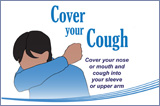
Cover your cough or sneeze
Cover your mouth and nose with your sleeve or a tissue when you cough or sneeze. Toss your used tissue in the waste basket and wash your hands.

Wash your hands
Wash your hands often with soap and water or use an alcohol-based hand cleanser.
Avoid touching your eyes, nose and mouth
If you touch surfaces with the flu virus, you can get the flu by touching your eyes, nose, or mouth.

Stay home if you’re sick
Flu viruses go wherever you go when you are infected. Stay at home and check with your healthcare provider when needed

Tuesday, September 8, 2015

A Germ-Free Classroom


Minimizing the risk of illness is a healthy idea. Below are some ways to keep your classroom and school healthy, all year long. Educate your students and make them aware of their part and responsibility in helping keep your school environment and themselves healthy. Well-maintained schools not only minimize the spread of germs and illnesses but they also make students, school personnel and parents feel safe, valued and respected.
  • Always cover coughs and sneezes. Teach students to cough into their elbows.
  • Keep hands away from the eyes, nose and mouth.
  • Wash hands often! Put sticky notes around to remind everyone. Students can remind one another too!
  • Learn how to keep your mouth off the drinking fountain and these should be cleaned daily.
  • Don't share water bottles, hair brushes, or make up.
  • Exercise! It keeps the immune system healthy.
  • Sleep. Nothing cures and readies the body more than sleep.
  • Clean Desktops. Apparently desks are 400 times dirtier than toilet seats. Solution: Spend 10 minutes every Friday cleaning desks, pencil sharpeners
  • Backpacks. Have students wash their backpacks every weekend.